Narcissistic Abuse and Manipulative Relationship Recovery in Glen Iris Melbourne: Healing and Rebuilding After Psychological Abuse


Narcissistic Abuse and Manipulative Relationship Recovery in Glen Iris Melbourne: Healing and Rebuilding After Psychological Abuse
Recovery-focused therapy for survivors of narcissistic abuse, gaslighting, and manipulative relationship dynamics
Understanding Narcissistic Abuse and Manipulative Relationships
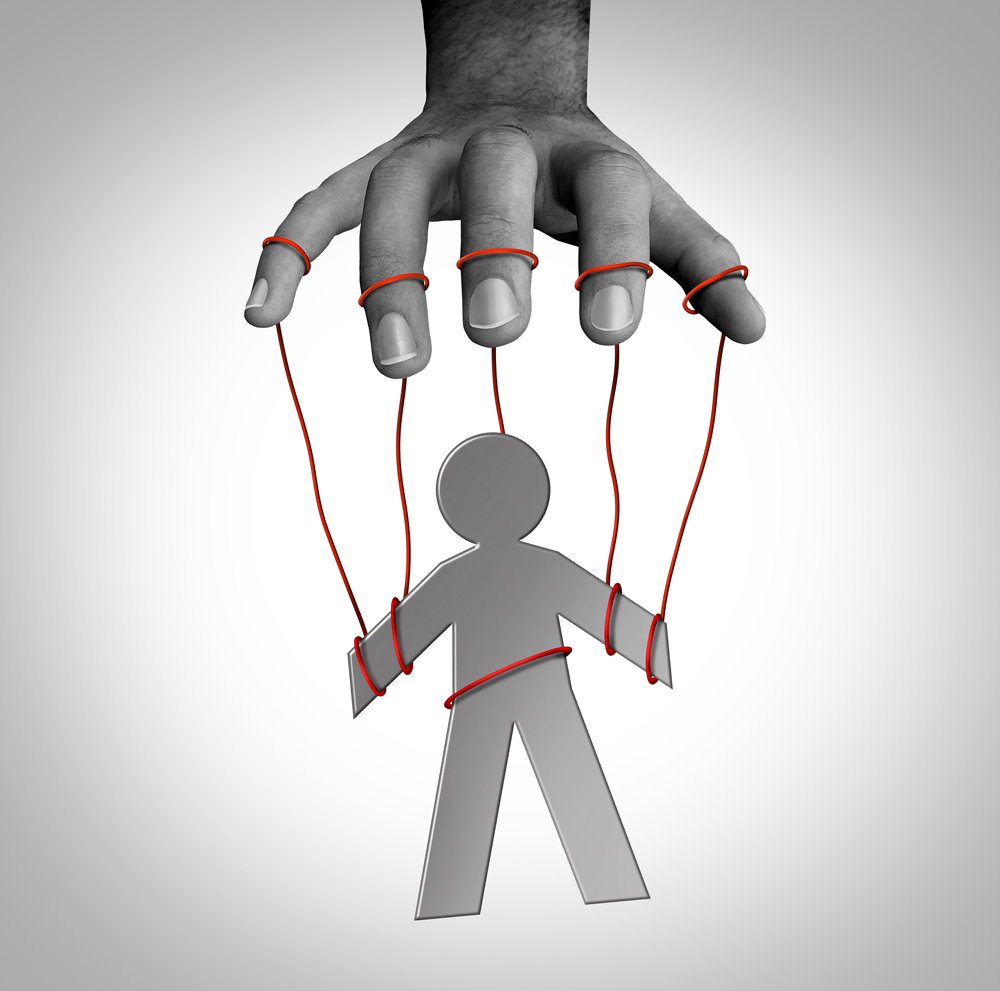
Narcissistic abuse refers to a pattern of psychological manipulation and control employed by individuals with narcissistic traits or Narcissistic Personality Disorder. Unlike healthy relationships built on mutual respect and reciprocity, these relationships are characterized by manipulation, exploitation, chronic invalidation, and the systematic erosion of your reality and self-worth.
The abuse often follows predictable patterns: idealization (love bombing, intense attention, seeming too good to be true), devaluation (criticism, withdrawal of affection, shifting goalposts), and discard (sudden ending or cycling back to idealization). This creates confusion, self-doubt, and trauma bonding that makes leaving extraordinarily difficult.
What makes narcissistic abuse particularly damaging is the insidious nature of the manipulation. Without visible bruises, you may struggle to name what's happening or convince others—or yourself—that the abuse is real. Gaslighting makes you question your own perceptions, while intermittent reinforcement keeps you hoping the "good version" will return.
Recovery requires understanding these dynamics, validating your experience, and rebuilding the sense of self and reality that was systematically undermined.
Recognizing Narcissistic Abuse Patterns
Common Dynamics in Narcissistically Abusive Relationships:
Gaslighting and Reality Distortion Denying conversations occurred, insisting you're misremembering, trivializing your feelings, or systematically making you doubt your perception, memory, and sanity.
Idealization and Devaluation Cycles Intense love and attention at the beginning or after conflicts, followed by gradual or sudden criticism, coldness, or contempt—creating confusion about which version is "real."
Lack of Empathy and Emotional Reciprocity Your feelings, needs, or experiences dismissed as unimportant, excessive, or inconvenient; conversations always redirected to them; or inability to genuinely consider your perspective.
Projection and Blame-Shifting Accusing you of behaviours they engage in, refusing accountability for harm caused, or making you responsible for their emotions and actions.
Triangulation Bringing third parties into the relationship to create jealousy, insecurity, or competition; comparing you unfavorably to others; or enlisting others to validate their perspective.
Moving Goalposts Changing expectations so you can never meet them, criticizing you for things they previously praised, or creating impossible standards that ensure your failure.
Emotional Manipulation Silent treatment, withdrawal of affection as punishment, love bombing after conflicts, or using your vulnerabilities against you.
Exploitation Taking advantage of your resources, time, emotional labor, or talents without reciprocation or appreciation, treating you as an extension of themselves rather than a separate person.
Pattern Recognition and Understanding
Recovery begins with education about narcissistic abuse dynamics:
Identifying the Pattern Recognizing that individual incidents aren't isolated "relationship problems" but part of a systematic pattern of manipulation and control.
Understanding Narcissistic Supply Learning that your role was to provide validation, admiration, or emotional regulation for the narcissist—your value conditional on meeting their needs.
Recognizing Trauma Bonding Understanding how intermittent reinforcement, hope for change, and emotional intensity create powerful attachments that feel like love but are actually trauma responses.
Breaking Free from Cognitive Dissonance Resolving the conflict between the "good times" and abuse, recognizing that someone can be charming and harmful, and that occasional kindness doesn't negate consistent mistreatment.
Validating Your Experience Acknowledging that psychological abuse is real abuse, that your suffering is legitimate regardless of whether physical violence occurred, and that you're not "too sensitive" or overreacting.
Healing from Gaslighting
Gaslighting is particularly damaging because it attacks your basic trust in your own mind:
Rebuilding Trust in Your Perceptions Learning to honor your feelings, memories, and instincts again after being systematically told they were wrong, flawed, or unreliable.
Distinguishing Gaslighting from Genuine Disagreement Understanding the difference between two people having different perspectives versus someone deliberately distorting reality to maintain control.
Documenting Reality For those still in contact, keeping records—journals, screenshots, recordings (where legal)—to anchor yourself when gaslighting occurs.
Externalizing Validation Trusting observations from others you respect, recognizing patterns they notice, or seeking professional validation of your experience.
Reclaiming Your Narrative Telling your story without minimizing, making excuses for the abuser, or taking responsibility for their choices.
Self-Esteem Rebuilding
Narcissistic abuse systematically destroys self-worth through criticism, comparison, and conditional regard:
Identifying Internalized Messages Recognizing which negative beliefs about yourself came from the abuser rather than objective reality—"you're too sensitive," "no one else would put up with you," "you're crazy."
Challenging Distorted Self-Perception Examining evidence that contradicts the abuser's characterization of you, reconnecting with parts of yourself that existed before the relationship.
Separating Your Worth from Their Treatment Understanding that being mistreated doesn't mean you deserved it, and that someone's inability to value you doesn't determine your value.
Reconnecting with Your Authentic Self Rediscovering preferences, values, interests, and qualities that were suppressed, criticized, or ignored during the relationship.
Building Self-Compassion Moving from harsh self-judgment (often internalized from the abuser) toward understanding and kindness for yourself.
Boundary Development
Narcissistic relationships often involve severe boundary violations:
Understanding What Boundaries Are Learning that boundaries are about your behaviour and limits, not controlling others—and that respecting boundaries is baseline relationship health, not a favor.
Recognizing Past Boundary Violations Identifying how your boundaries were consistently dismissed, criticized as being "too much," or punished.
Learning to Set Boundaries Developing skills to communicate limits clearly and maintain them despite pushback, guilt, or manipulation tactics.
Managing Guilt Around Boundaries Working through the belief that boundaries are selfish, mean, or will make you unlovable—recognizing that people who respect you will accept reasonable boundaries.
No Contact or Low Contact When possible and safe, establishing distance from the narcissistic person; when contact is necessary (co-parenting), implementing strict information diet and gray rock technique.
Trauma Recovery and Processing
Narcissistic abuse creates complex trauma requiring specialized support:
Understanding Complex PTSD Recognizing symptoms like hypervigilance to others' moods, difficulty trusting, emotional flashbacks, or chronic feelings of shame that developed from prolonged psychological abuse.
Processing Traumatic Experiences When ready, working through specific incidents of abuse or the cumulative impact of chronic invalidation and manipulation.
Addressing Grief and Loss Processing the loss of the relationship you hoped for, the person you thought they were, time invested, or connections lost due to the relationship.
Managing Triggers Identifying and working with situations, behaviours in others, or relationship dynamics that activate trauma responses from the narcissistic relationship.
Therapeutic Approaches for Recovery
Trauma-Focused Therapy Addressing the psychological impact of prolonged manipulation and abuse using approaches that understand complex trauma.
Schema Therapy Exploring how the narcissistic relationship may have activated or reinforced core wounds from earlier experiences, and developing healthier relational patterns.
Cognitive Behavioural Therapy Challenging distorted beliefs internalized from the abuser and developing more balanced, accurate self-perceptions.
Attachment-Based Work Understanding how the relationship affected your attachment patterns and capacity for trust, and gradually rebuilding secure connection.
Education and Validation Learning about narcissistic abuse dynamics validates your experience and provides framework for understanding what happened.
Moving Forward: Future Relationships
Recovery includes developing skills to recognize and avoid similar dynamics:
Identifying Red Flags Learning warning signs of narcissistic or manipulative behaviour early—love bombing, boundary testing, grandiosity, lack of accountability, or moving too fast.
Understanding Your Vulnerabilities Recognizing what made you susceptible to narcissistic abuse—empathy, desire to help, trauma history, or unfulfilled needs—not to blame yourself but to protect yourself.
Building Discernment Developing ability to distinguish genuine connection from manipulation, authentic apologies from hoovering, and healthy conflict from abuse.
Taking Relationships Slowly Allowing time to observe patterns rather than making commitments based on initial idealization or promises.
Trusting Your Instincts Honoring gut feelings, noticing when something feels off, and prioritizing your wellbeing over giving people unlimited chances.
Finding Support in Glen Iris
When seeking recovery support from narcissistic abuse, consider:
- A psychologist with understanding of narcissistic abuse dynamics and complex trauma
- Validation that your experience was abuse, not mutual relationship problems
- Support for your decisions about contact with the narcissistic person
- Understanding of the unique recovery challenges, including trauma bonding and gaslighting effects
Take the First Step Toward Healing
If you've experienced narcissistic abuse or manipulative relationship dynamics, recovery is possible. While the journey involves grief and difficult realizations, it also offers the opportunity to reclaim your reality, rebuild your self-worth, and develop healthier relationship patterns.
Located in Glen Iris, Melbourne | Medicare Rebates Available | Telehealth Options
Contact Annamariya H Psychology today to discuss recovery-focused support for narcissistic abuse survivors.