ADHD Support in Glen Iris Melbourne: Practical Strategies for Managing Symptoms and Improving Daily Functioning

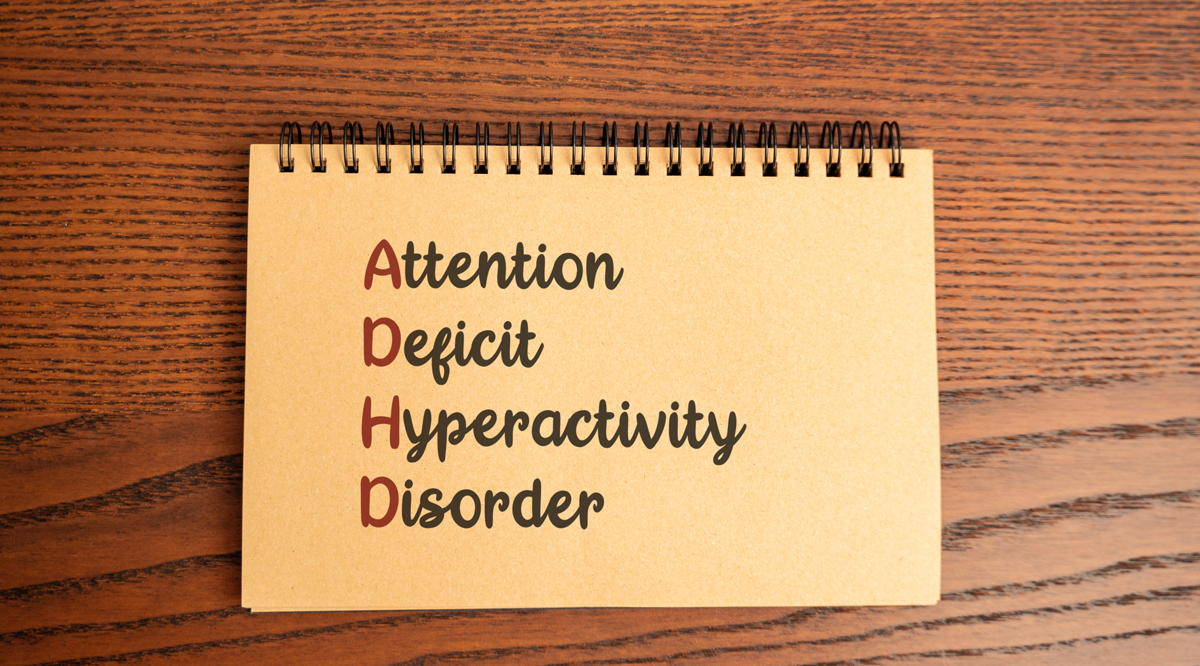
ADHD Support in Glen Iris Melbourne: Practical Strategies for Managing Symptoms and Improving Daily Functioning
Psychological support for adults and adolescents with ADHD—building executive function skills and sustainable strategies
Understanding ADHD in Adolescents and Adults
Attention-Deficit/Hyperactivity Disorder (ADHD) is a neurodevelopmental condition affecting attention, impulse control, and executive functioning. While often diagnosed in childhood, many people aren't identified until adolescence or adulthood—particularly those who developed compensation strategies, masked symptoms, or whose inattentiveness was less disruptive than hyperactivity.
ADHD in adults and adolescents often looks different from childhood presentations. Rather than obvious hyperactivity, you might experience internal restlessness, difficulty sustaining focus on non-stimulating tasks, chronic overwhelm from everyday demands, emotional dysregulation, or persistent feelings of underachievement despite intelligence and capability.
ADHD isn't a deficit of attention—it's inconsistent attention regulation. You can hyperfocus intensely on engaging tasks while struggling to initiate or sustain attention on boring but necessary ones. This inconsistency often leads to frustration, shame, and the internalised belief that you're lazy, unmotivated, or not trying hard enough.
Psychological support for ADHD provides practical strategies that work with your brain rather than against it, helping you build systems that account for ADHD challenges rather than expecting willpower alone to overcome them.
When ADHD Symptoms Require Support
Common ADHD Challenges in Daily Life:
Executive Function Difficulties Struggling with planning, organisation, prioritisation, task initiation, or following through on intentions. Projects feel overwhelming, you're unsure where to start, or tasks remain incomplete despite your best efforts.
Time Management Problems Time blindness—difficulty estimating how long tasks take, chronic lateness, missing deadlines, or feeling like time either drags unbearably or disappears entirely.
Attention and Focus Issues Difficulty sustaining attention on non-preferred tasks, being easily distracted by external stimuli or internal thoughts, or losing track of what you were doing.
Working Memory Challenges Forgetting what you were about to do, losing items, struggling to hold information in mind while working with it, or difficulty following multi-step instructions.
Emotional Dysregulation Intense emotional reactions that feel disproportionate, difficulty managing frustration, quick shifts from calm to upset, or emotional sensitivity.
Procrastination and Task Avoidance Chronic difficulty starting tasks until deadline pressure provides urgency, even when you genuinely want to complete them earlier.
Relationship and Communication Difficulties Interrupting others, difficulty listening without becoming distracted, forgetting important information, or conflict arising from ADHD symptoms being misinterpreted as carelessness.
Executive Function Support
Executive functions are the cognitive processes that help you plan, organise, and complete tasks. ADHD specifically affects these systems:
Breaking Down Complex Tasks Learning to deconstruct overwhelming projects into smaller, manageable steps with clear starting points. This reduces paralysis and makes progress visible.
External Structure and Systems Creating environmental supports that compensate for executive function challenges—visual reminders, physical organisation systems, routines, and accountability structures.
Task Initiation Strategies Developing techniques to overcome the "getting started" hurdle—the 5-minute rule, body doubling (working alongside others), environmental cues, or reward systems.
Completion and Follow-Through Building systems to track projects through to completion, managing the "boring middle" of tasks, and creating closure on started projects.
Decision-Making Frameworks Simplifying choices and developing decision-making strategies when ADHD makes even minor decisions feel paralyzing.
Time Management Skills for ADHD
Traditional time management advice often fails people with ADHD because it assumes neurotypical time perception. ADHD-specific strategies include:
Time Awareness Tools Using visual timers, time-tracking apps, or analog clocks to externalise time passing—making the abstract concept of time concrete and visible.
Time Blocking and Scheduling Creating structured schedules that account for transition time, hyperfocus sessions, and energy fluctuations throughout the day.
Managing Time Blindness Developing systems to accurately estimate task duration through tracking actual time spent, building in buffer time, and learning your personal time patterns.
Deadline Management Breaking deadlines into interim milestones, using artificial deadlines for motivation, or enlisting accountability partners.
Recognising Optimal Times Identifying when your focus, energy, and motivation naturally peak, then protecting these times for important or difficult tasks.
Focus and Attention Strategies
Rather than fighting your attention system, these strategies work with ADHD characteristics:
Environmental Modifications Reducing distractions in your environment, using noise-canceling headphones, creating dedicated workspaces, or changing locations for different tasks.
Attention Management Recognising that attention is finite and fluctuates—scheduling focus-intensive work during high-attention periods, alternating difficult and easy tasks.
Using Hyperfocus Constructively Learning to channel hyperfocus toward productive tasks when it emerges, while building safeguards against hyperfocusing on unimportant activities.
Movement and Stimulation Incorporating movement breaks, fidget tools, background music, or other stimulation that helps rather than hinders focus for your specific nervous system.
Pomodoro and Work Sprint Techniques Using structured work periods with breaks—often more sustainable than expecting extended focus sessions.

Emotional Regulation for ADHD
Emotional dysregulation is a core but under-recognised aspect of ADHD:
Recognising Emotional Intensity Understanding that emotions in ADHD are often experienced more intensely and shift more rapidly—this is neurological, not character weakness.
Pause and Response Strategies Developing space between emotional triggers and reactions—breathing techniques, removing yourself from situations briefly, or using grounding strategies.
Managing Rejection Sensitivity Many people with ADHD experience rejection sensitive dysphoria (RSD)—intense emotional pain in response to perceived rejection or criticism. Learning to recognise and manage these reactions.
Frustration Tolerance Building capacity for the inevitable frustrations of ADHD—lost items, forgotten appointments, incomplete tasks—with self-compassion rather than harsh self-criticism.
Communicating Emotional Needs Helping others understand that emotional reactions aren't intentional or manipulative, but require different support strategies.
Therapeutic Approaches for ADHD
Cognitive Behavioural Therapy adapted for ADHD Addressing unhelpful beliefs about yourself that developed from years of ADHD challenges—"I'm lazy," "I can't be trusted," "I'm fundamentally broken"—and building more accurate, compassionate self-understanding.
Skills Training Directly teaching organisational skills, time management, planning, and other executive functions that weren't naturally developed.
Mindfulness for ADHD Adapted mindfulness practices that account for ADHD attention—shorter sessions, movement-based practices, or using external focus points.
Acceptance and Commitment Therapy (ACT) Building psychological flexibility, accepting ADHD challenges while committing to valued actions despite them.
Psychoeducation Understanding how ADHD specifically affects your brain, which helps replace shame with self-understanding and informs effective strategy development.
Building Sustainable Systems
ADHD support focuses on creating systems you can actually maintain:
Working With Your Brain Designing strategies that account for ADHD characteristics rather than expecting yourself to function like a neurotypical person.
Low-Friction Systems Creating organisational approaches that are simple enough to maintain consistently—complicated systems fail when ADHD makes consistency challenging.
External Supports Relying on environmental cues, technology, other people, or physical systems rather than memory and willpower alone.
Self-Compassion and Realistic Expectations Replacing the harsh self-criticism that often develops from years of ADHD struggles with understanding that your brain works differently, not defectively.
ADHD and Co-occurring Conditions
ADHD frequently coexists with:
- Anxiety (often from chronic overwhelm and underperformance)
- Depression (from years of feeling inadequate or struggling)
- Sleep difficulties
- Learning differences
- Autism spectrum conditions
Treatment addresses these interconnected concerns comprehensively.
Medication and Psychological Support
While medication can be helpful for many people with ADHD, psychological strategies remain essential:
- Medication doesn't teach organisational skills or time management
- Psychological strategies work whether or not you take medication
- Combined treatment (medication + therapy) often produces the best outcomes
- Some people prefer non-medication approaches
Finding ADHD Support in Glen Iris
When seeking ADHD support, consider:
- Practical, skills-focused approach rather than just talking about challenges
- Understanding that ADHD is neurological, not motivational
- Willingness to adapt strategies to your specific ADHD presentation
Take the First Step
If ADHD is affecting your work, relationships, self-esteem, or daily functioning, psychological support can provide practical tools and understanding. ADHD challenges are real, but with the right strategies and support, you can build a life that works for your brain.
Located in Glen Iris, Melbourne | Medicare Rebates Available | Telehealth Options
Contact Annamariya H Psychology today to discuss practical ADHD support strategies.